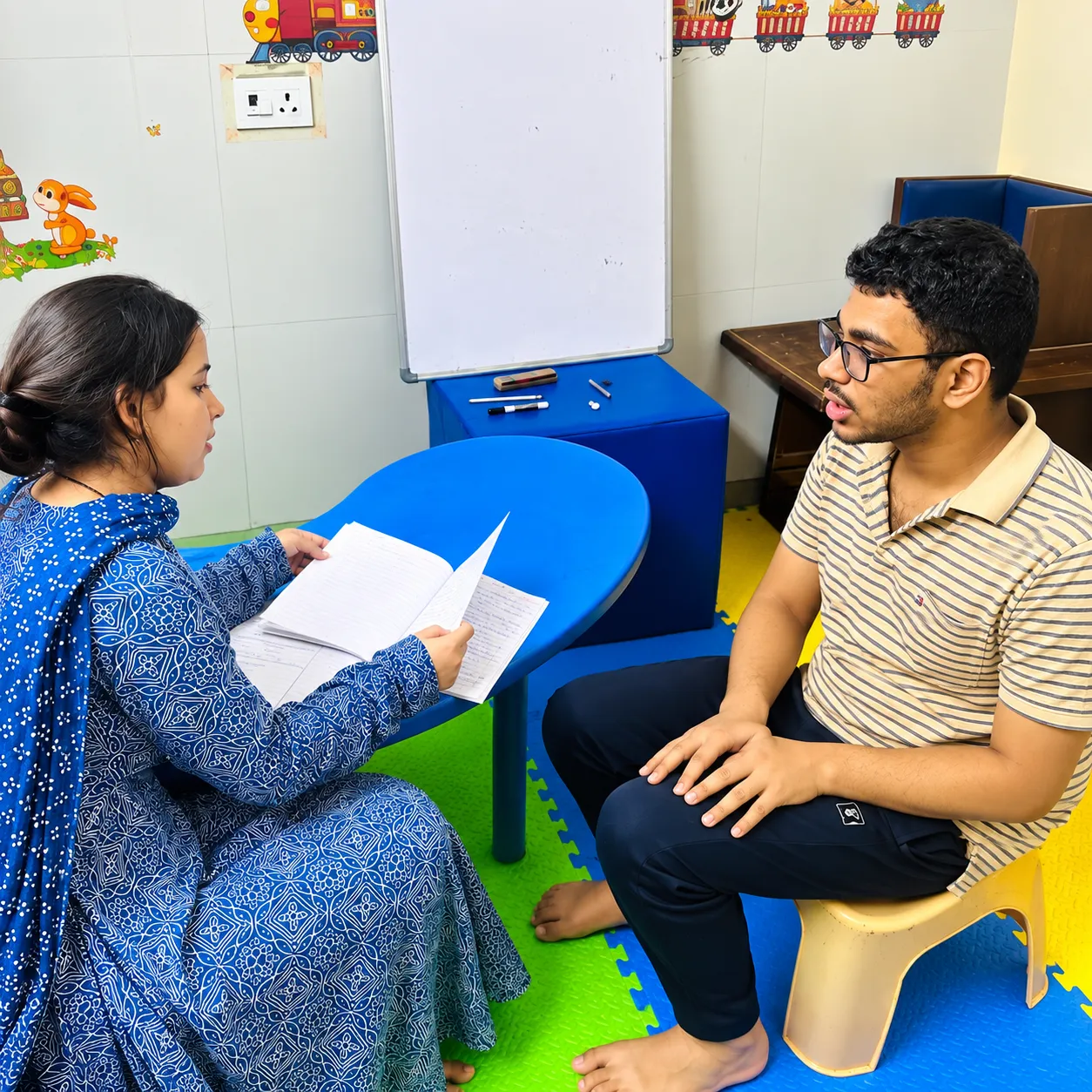
Supporting Attention at Home and at School
Attention develops gradually through childhood. What affects focus, and practical ways to help your child settle to tasks at home and in class.
Read more →
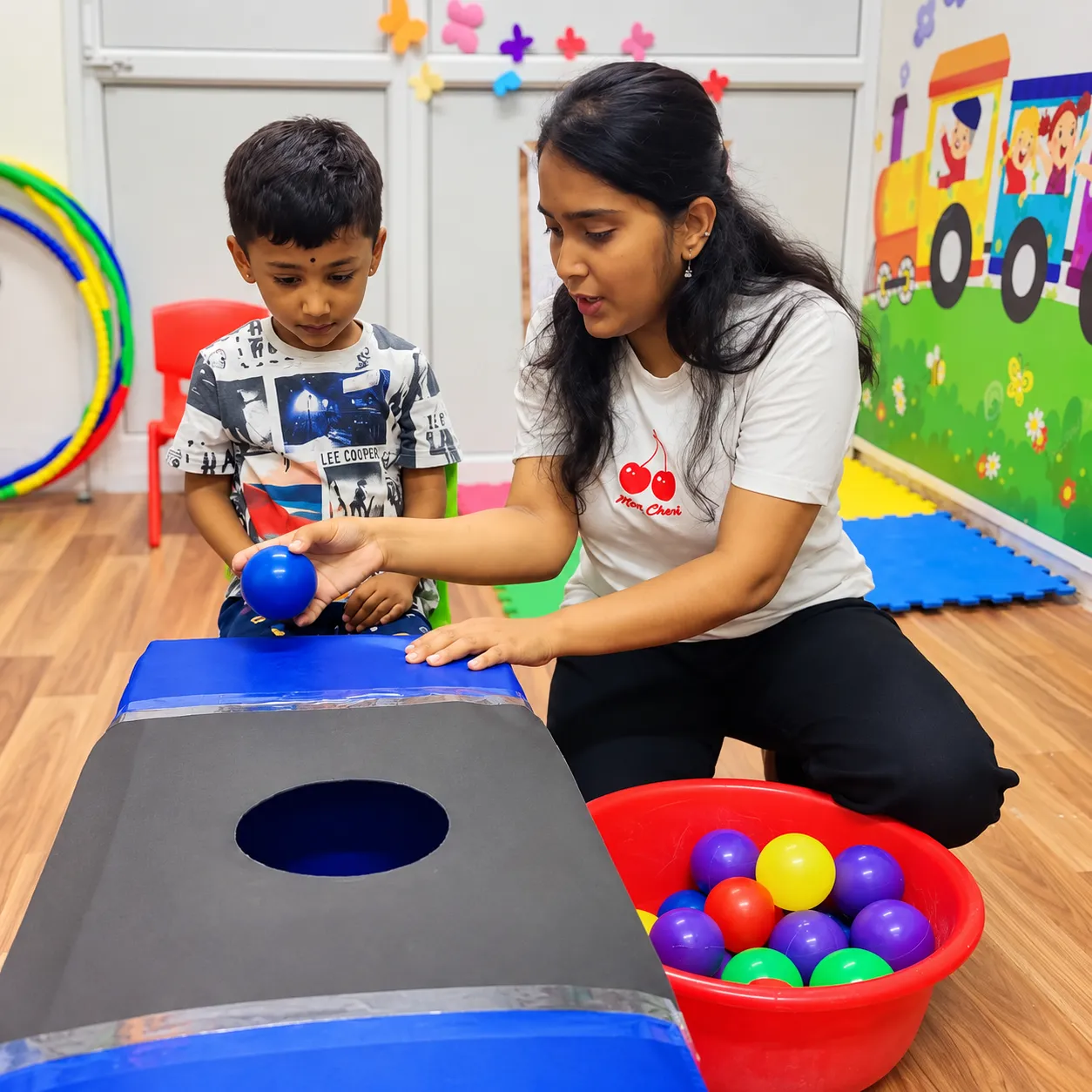
Access reliable, therapist-led resources designed to provide families with practical insights, developmental clarity, and the peace of mind that comes with evidence-based knowledge.
The Learning Center brings together everything we publish for parents.
Understand what you may be noticing — developmental areas, an age-wise guide, when to seek guidance and the conditions we support.
Explore Concerns →Practical, evidence-informed reading — short articles, longer parent guides and insights from the therapy team, filed by topic.
Explore Blogs & Articles →
The journey of child development shouldn't be navigated in the dark. We built this hub to offer absolute transparency, helping parents recognize developmental patterns without the anxiety of self-diagnosis.
We strip away clinical jargon to provide clear markers of growth and support.
Every resource is vetted by registered clinical specialists for medical accuracy.
Navigate our knowledge base by clinical domain.
From neonatal milestones to adolescent growth transitions.
View Resources →Language acquisition, articulation, and social speech.
View Resources →Fine motor skills, sensory regulation, and daily living.
Classroom readiness and academic skill building.
Gross motor coordination and core stability.
A multidisciplinary team supporting children across a wide range of developmental, neurological, and functional needs.
Cornerstone knowledge for informed parenting.
Attention develops gradually through childhood. What affects focus, and practical ways to help your child settle to tasks at home and in class.
Read more →Everyday routines are full of chances to build language. Practical, low-pressure ways parents can encourage their child to communicate.
Read more →Why moving from one activity to the next can be hard for some children, and practical ways parents can make transitions calmer at home.
Read more →We're here to debunk common misconceptions and replace anxiety with evidence-based facts.
Submit a Question"Boys always talk later than girls, it's just their nature."
Developmental timelines are similar across genders. Waiting to see if they 'grow out of it' can miss critical early-intervention windows.
"Therapy is only necessary after a formal diagnosis."
Support can begin the moment a challenge is identified, often helping children overcome hurdles before they become barriers.
Empowering the entire ecosystem around the child — parents, teachers, and caregivers.